

Quick recommendation: the best time to visit Rome for 4 days
My overall pick: travel in the second half of October. Days are generally comfortable for walking, evenings feel atmospheric, summer’s fiercest heat has passed and the city remains lively. Pack a compact umbrella and book the Vatican Museums and Colosseum in advance. If sunshine matters more than price, choose May instead.
I’m Ava, a travel blogger who plans city breaks around one simple question: how will the destination actually feel hour by hour? In Rome, the season changes much more than the clothes in your suitcase. It changes how long you can comfortably walk, how early you need to start, how far ahead major tickets disappear and how much you may pay for a well-located room.
When I began planning my first Rome visit, I made the classic mistake of treating the city like a checklist. I placed the Colosseum, Vatican Museums, Trevi Fountain and Trastevere into consecutive time slots without allowing for heat, queues or the pleasure of stopping for coffee. My better approach was to choose the season first, reserve one major timed attraction per half-day and group nearby sights. That became the foundation of my 4 day itinerary Rome Italy plan.
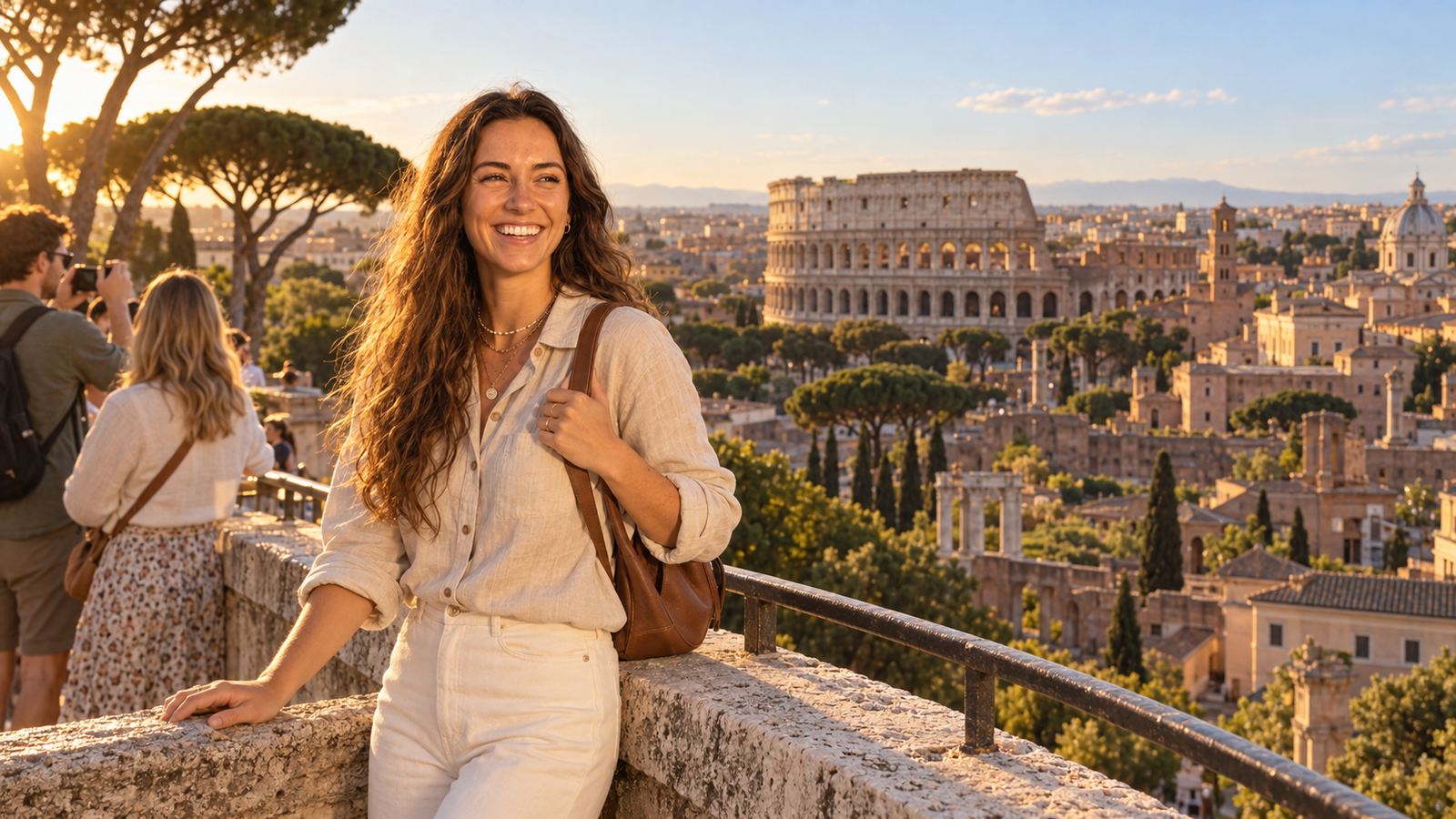
Best time to visit Rome for 4 days: seasonal comparison
There is no single perfect month for every traveler. Spring and autumn are the easiest all-round choices, summer works for travelers who value long evenings and can handle heat, and winter rewards flexible visitors who prefer lower demand. Rome’s official tourism site also describes spring and autumn as the best periods for mild temperatures, while July and August are the hottest months and rain is more concentrated in November and February. The temperature bands below are planning ranges rather than forecasts; check the short-range forecast before departure.
| Season | Typical daytime feel | Crowds | Price tendency | Best for |
|---|---|---|---|---|
| Spring: March–May | Mild to warm; roughly mid-teens to mid-20s °C as the season progresses | Moderate to high, especially Easter and holiday weekends | Medium to high | First visits, walking and outdoor dining |
| Summer: June–August | Hot, bright and often above 30°C during hotter periods | High at headline sights; local rhythms slow in August | High in popular central areas, though patterns vary | Long evenings and travelers tied to school holidays |
| Autumn: September–November | Warm in September, increasingly cool and wetter later | High in early autumn, then easing | High to medium, often softer in November | Food, photography and balanced sightseeing |
| Winter: December–February | Cool, with short days and occasional rain | Lower outside Christmas, New Year and major events | Often lowest outside festive dates | Value, museums and repeat visitors |
Best overall
Late April–May and late September–October for pleasant walking conditions and a full city atmosphere.
Best value
January, February and late November, excluding event weeks and the Christmas–New Year period.
Best for families
April, May or October, when children are less likely to be exhausted by intense afternoon heat.
March, April and May: Rome in bloom
Spring is one of the most attractive answers to “when should I spend four days in Rome?” March can still feel changeable, with crisp mornings and rain possible. By April, café tables fill and gardens brighten. May normally offers warmer days without the relentless heat that can arrive in summer.
The trade-off is demand. Easter, public holidays and school breaks can push up room rates and bring substantial crowds to the Vatican and historic center. If your dates overlap a major religious celebration, do not assume an ordinary schedule at St. Peter’s Basilica. Ceremonies and security arrangements can change access. Reserve accommodation early, choose cancellable rates when sensible and build breathing room into the itinerary.
June, July and August: long days, heat and busy sights
Summer gives you long evenings for piazzas, rooftop drinks and post-dinner walks. It also makes a badly designed Rome itinerary four days long feel punishing. Stone streets radiate heat, shade is not guaranteed at archaeological sites, and midday sightseeing can sap your energy. July and August commonly bring the most challenging heat.
If summer is your only option, it can still be wonderful. Start outdoor sights at opening time, retreat indoors or rest from roughly 1:00 to 4:00 p.m., carry refillable water and resume in the evening. Put the Roman Forum or Palatine Hill early in the day. Use the air-conditioned museum portion of your Vatican visit during the warmer hours, while remembering that crowded galleries can still feel warm.
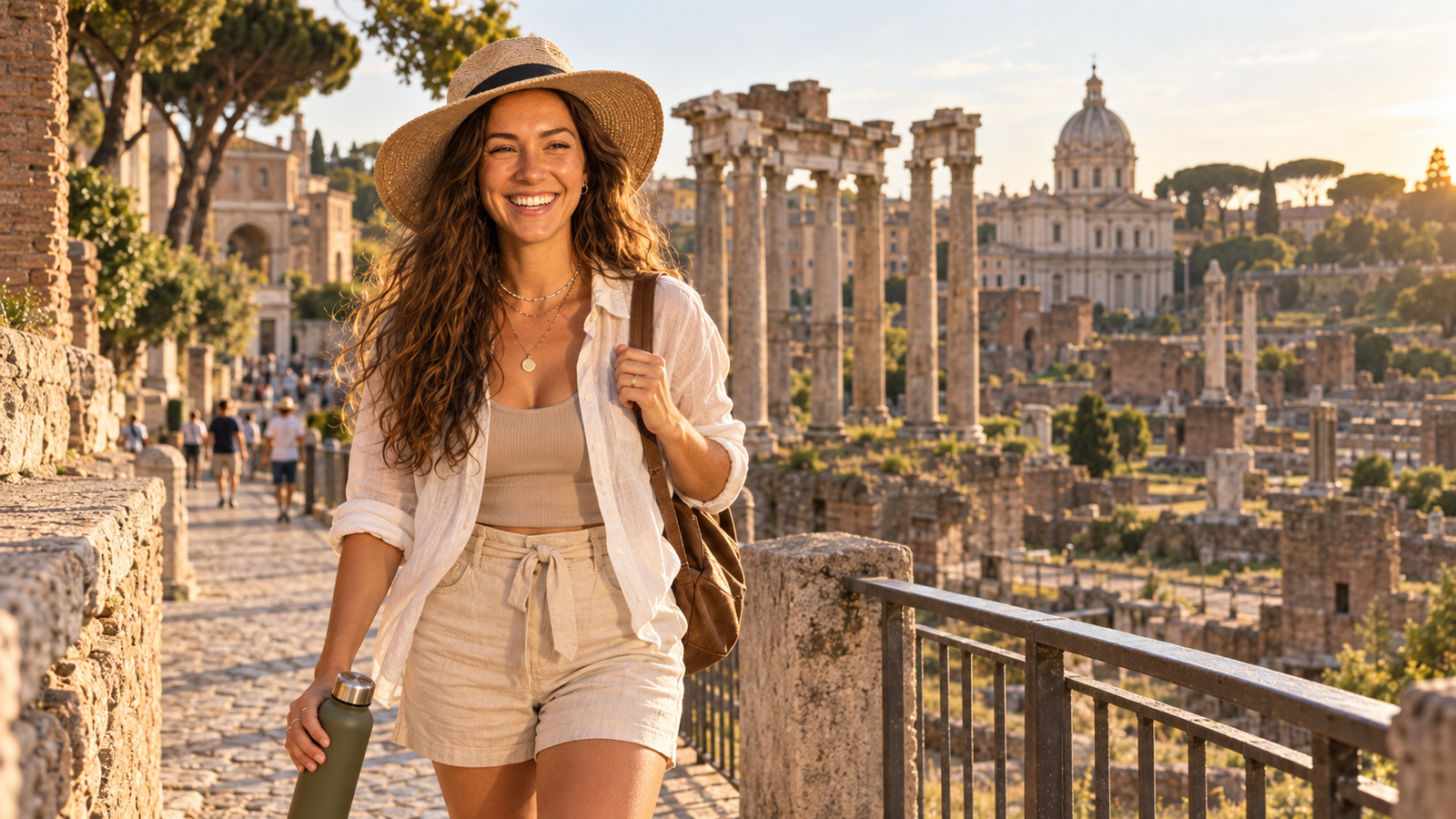
September, October and November: my favorite balance
September often behaves like an extension of summer, so do not choose it expecting an empty city or cool afternoons. October is usually more balanced: warmer days can linger, evenings become comfortable and the city’s colors suit photography beautifully. November is cooler and more rain-prone, but hotel demand may soften and museum days feel natural rather than like a compromise.
For a first trip, I would choose mid-to-late October and keep one flexible evening. If rain arrives, swap an outdoor walk with the Capitoline Museums or another indoor stop. Do not move a tightly timed Vatican reservation unless your ticket’s conditions allow it.
December, January and February: quieter and often cheaper
Winter is ideal if you care more about art, food and atmosphere than warm evenings. Daylight is shorter, and you need a warm layer plus weather protection, but walking can be comfortable compared with summer. January and February often offer the best accommodation value after the holiday period.
December is not uniformly low season. Christmas decorations are lovely, but festive dates, religious events and New Year can increase demand. Always check opening calendars. The Vatican Museums publish specific closure dates, and individual churches can restrict tourist access during services.
Month-by-month decision guide for four days in Rome
| Month | What to expect | My verdict for a four-day trip |
|---|---|---|
| January | Cool, shorter days; lighter leisure demand after New Year | Excellent for value and museums |
| February | Cool with variable rain; often manageable crowds | A smart budget choice |
| March | Spring begins but weather remains changeable | Good with layers and flexibility |
| April | Mild, bright and increasingly busy; Easter can transform demand | Excellent outside peak holiday dates |
| May | Warm, long sightseeing days and popular attractions | One of the best weather choices |
| June | Hotter, long evenings and high demand | Good if you start early |
| July | Often very hot with busy headline sights | Choose only with a heat-aware plan |
| August | Hot; some independent businesses may take breaks | Possible, but not my first choice |
| September | Warm and still popular | Strong, but do not expect low season |
| October | Pleasant transition weather with some rain risk | My best all-round recommendation |
| November | Cooler, wetter and often better value | Good for culture-focused travelers |
| December | Festive atmosphere and event-driven crowds | Magical if you plan around closures |
How seasons affect crowds and prices during 4 days in Rome
Rome no longer has a completely empty season. The Colosseum, Vatican Museums and Trevi Fountain attract visitors throughout the year. The useful question is not “Will there be crowds?” but “When and where will they be concentrated?” Summer and holiday periods create heavy pressure, yet a winter free-admission day or major religious occasion can also be extremely busy.
Hotel prices are dynamic. Location, weekday pattern, conferences, concerts, religious events and how early you book can matter as much as the month. Compare like with like: a cancellable room near the Pantheon should not be compared with a non-refundable room beside Termini without considering transport time and flexibility.
- Book first: your flights, a well-located hotel and timed Vatican or Colosseum entry.
- Keep flexible: piazza walks, viewpoints, food stops and weather-sensitive parks.
- Compare total cost: room rate, city tax, breakfast, cancellation rules and airport transfer.
- Avoid false savings: a distant hotel may cost less but consume valuable time during a short stay.

A practical Rome itinerary 4 days long for first-time visitors
This plan works in every season because it groups sights geographically. Adjust the clock rather than the order: start earlier in summer, use the brightest hours in winter and preserve a flexible indoor option on rainy spring or autumn days.
Day 1: Ancient Rome and a relaxed evening
Reserve a timed Colosseum experience, then continue through the Roman Forum and Palatine Hill if included in your ticket. Allow at least half a day rather than racing through all three. In summer, book the earliest sensible time; in winter, avoid a late start that leaves the archaeological area in fading light. Finish with dinner in Monti or a gentle walk toward Piazza Venezia.
Day 2: Historic center on foot
Begin at the Trevi Fountain early, continue to the Spanish Steps, walk toward the Pantheon and finish around Piazza Navona. These outdoor sights are flexible, which makes this the best day to rearrange if rain affects another part of your trip. Wear shoes with good grip; polished cobbles can be tiring and slick.
Day 3: Vatican Museums, Sistine Chapel and St. Peter’s
Give Vatican City a full day. The Museums are vast, the Sistine Chapel is reached as part of the museum route, and St. Peter’s Basilica has a separate public entrance and security process. Do not schedule an expensive evening activity immediately afterward; you may be mentally and physically tired.
Day 4: Trastevere, a market or a viewpoint
Use the final day for neighborhood texture. Explore Trastevere in the morning, cross the river and choose one viewpoint or museum. If your flight leaves late, keep this day reservation-light. For a more detailed route, open my complete Rome 4 day itinerary and adapt it to your season.

Vatican City in one day during your Rome 4 day itinerary
A successful Vatican day depends more on order and reservations than season. The official Vatican Museums entrance is on Viale Vaticano; St. Peter’s Basilica is reached from St. Peter’s Square. They are close, but they are not the same entrance. A standard Vatican Museums ticket does not automatically remove the separate basilica security line.
As of this article’s fact-check date, the official Vatican Museums website lists opening from Monday to Saturday, 8:00 a.m. to 8:00 p.m., with final entry at 6:00 p.m. It also lists limited free entry on the last Sunday of eligible months, but those days can be exceptionally crowded. The official St. Peter’s Basilica site states that from 1 June 2026 the basilica is open daily from 7:00 a.m. to 8:00 p.m., with last entry by 7:15 p.m., subject to visitor flow and security waits. Hours, closures and access can change for services or special events, so verify your exact date before travel.
Vatican ticket and tour comparison
| Option | Best for | Usually included | Usually excluded / verify | Meeting point & transport |
|---|---|---|---|---|
| Official timed museum entry | Independent travelers and lowest base price | Vatican Museums and Sistine Chapel on the standard route | Guide, basilica entry, dome and hotel pickup | Viale Vaticano; Metro A to Ottaviano or Cipro, then walk |
| Hosted priority entry | Travelers who want help finding the correct entrance | Reserved entry and host assistance as stated | Often no guided commentary; security is never skipped | Provider-specific meeting point near the Museums |
| Guided Museums & Sistine tour | First-time visitors who want context | Licensed guide, headset when required, museum admission | Dome, hotel transport and basilica may not be included | Meet at the exact provider address; arrive 15–25 minutes early |
| Museums, Sistine & St. Peter’s tour | Visitors wanting one organized experience | Only the components explicitly named on the product page | Access passage can close; dome and security wait may remain | Usually near Viale Vaticano; end point may differ |
| St. Peter’s or dome experience | Architecture, faith and panoramic-view travelers | Guide or dome access only if clearly stated | Vatican Museums and Sistine Chapel | Near St. Peter’s Square; Metro A to Ottaviano, then walk |
What “skip-the-line” really means
Priority or skip-the-line admission normally means you bypass the on-site ticket-purchase queue by holding a timed reservation. It does not mean bypassing mandatory security. On crowded dates, you may still wait to enter, collect audio equipment or move through narrow galleries. Treat any claim to “skip all lines” cautiously.
Cancellation considerations
Cancellation rules vary by product. The official Vatican Museums tariff page states that its entry tickets cannot be refunded. Third-party tour policies differ, so before paying, note the final cancellation deadline in Rome local time, whether the selected option is refundable, and what happens if you arrive late. Tours can also change when St. Peter’s closes for a religious event; check whether the provider substitutes another experience, changes the route or offers a refund under that product’s terms.
Take a screenshot of the voucher, but also keep the original booking accessible. Confirm whether every traveler needs identification matching the reservation and whether reduced tickets require proof of eligibility.
Accessibility and suitability
The Vatican Museums provide accessible routes and services, but the accessible itinerary may differ from the standard visitor flow. Their current tariff information says visitors with certified invalidity of at least 67% can qualify for free entry and priority access, with a companion also admitted free when the visitor is not self-sufficient; documentation is required and these free tickets are issued on site. Contact the venue or tour provider before booking if anyone uses a wheelchair, cannot manage stairs, needs frequent seating or has sensory requirements.
St. Peter’s Basilica’s main floor is more suitable than the dome for travelers with limited mobility. Even when an elevator operates for part of the dome ascent, additional narrow stairs may remain. Families should use a compact plan rather than forcing young children through every gallery. A shorter guided tour plus an unrushed basilica visit is often more enjoyable.
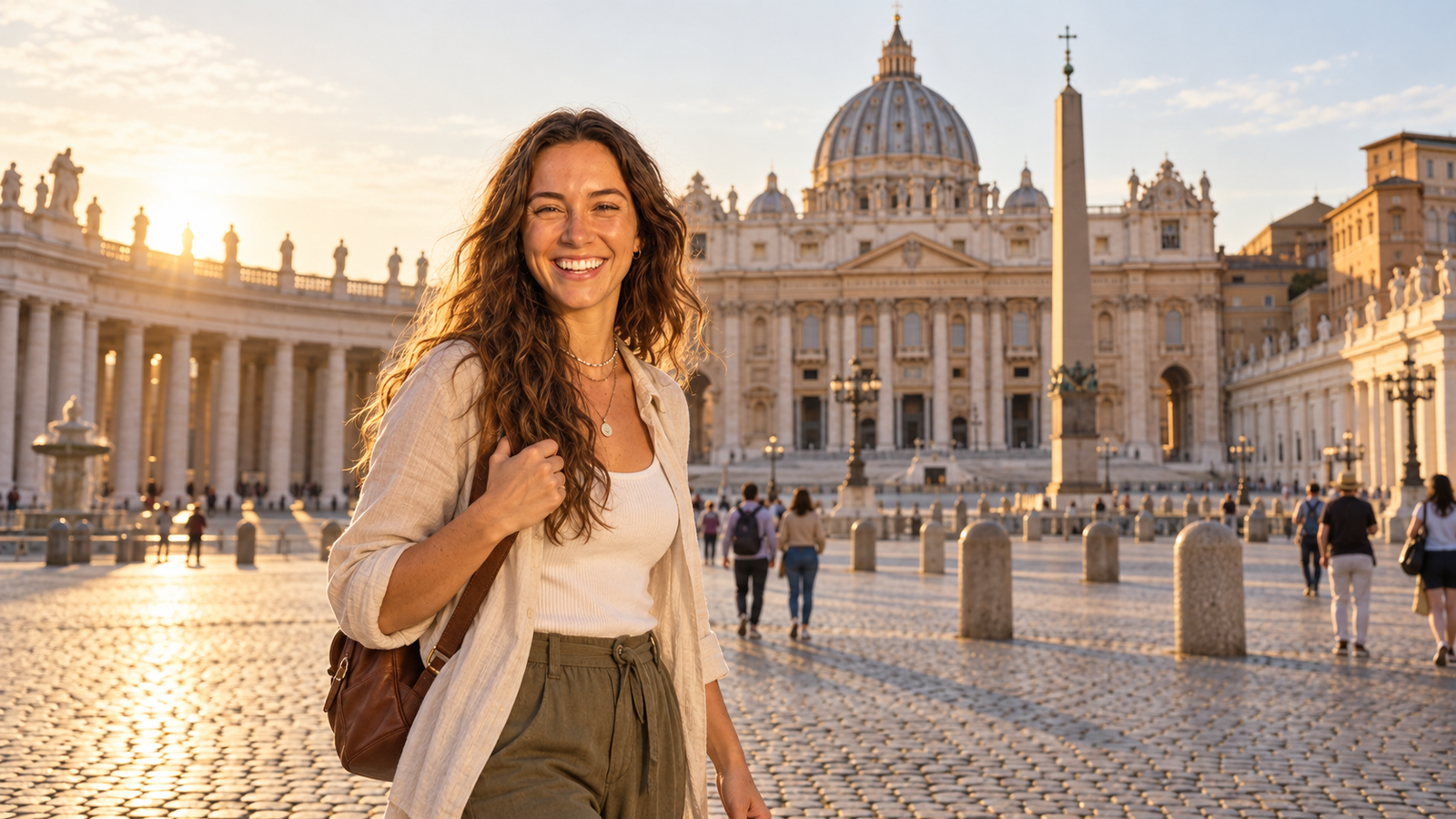
Where to stay for the best four days in Rome
For a short first visit, location can be worth more than a larger room. Staying within easy reach of the historic center or Metro A reduces wasted time and makes early Vatican starts easier. Read my detailed guide to where to stay in Rome for first-time visitors before choosing.
Historic center
Best for walking to the Pantheon, Piazza Navona and Trevi Fountain. Usually convenient but often expensive.
Prati
Best for an early Vatican day, calmer evenings and access to Metro A around Ottaviano.
Monti
Best for ancient Rome, restaurants and atmosphere near the Colosseum, with some hilly streets.
Termini
Best for transport and some lower-priced stays. Assess the exact street, reviews and nighttime comfort.
Trastevere
Best for evening energy and dining. Less convenient for the metro, and some streets can be noisy.
Near Piazza di Spagna
Best for upscale shopping and central walks, but typically a premium choice.
Transport for a 4 day itinerary Rome Italy trip
Central Rome is best experienced with a walking-plus-transit strategy. Walk within each neighborhood cluster and use Metro A for Vatican connections, Metro B for the Colosseum area, and buses or trams where rail does not help. Taxis are useful for luggage, late arrivals or travelers with limited mobility, but traffic makes them inefficient for short hops through the center.
The official ATAC ticket page currently lists the BIT at €1.50 for 100 minutes, ROMA 24H at €8.50, ROMA 48H at €15 and ROMA 72H at €22. A weekly CIS is listed at €29. These fares can change, so verify them before travel. A 72-hour pass does not cover an entire four-day visit unless you validate it strategically; individual tickets may cost less if you mostly walk.
Validate paper or digital tickets correctly and keep them for inspection. A normal city ticket is not valid on the Leonardo Express nonstop airport train. For arrival choices and realistic journey times, see my guide from Rome airport to the city center.
Best food to try during four days in Rome
Four days is enough to sample Roman classics without turning every meal into a reservation. Try carbonara, cacio e pepe, amatriciana and gricia across different meals rather than ordering several heavy pastas at once. Add supplì, thin Roman-style pizza, seasonal vegetables such as artichokes when available, maritozzo for something sweet and gelato from a shop where the colors look natural rather than fluorescent.
Near major sights, walk a few streets away from the busiest frontage. Look at the menu before sitting, confirm cover or service charges where shown and avoid restaurants whose staff pressure passersby. Prati works well for Vatican lunch; Monti suits an ancient-Rome evening; Testaccio rewards food-focused travelers willing to leave the postcard center.

Important mistakes to avoid when choosing the best time to visit Rome for 4 days
- Assuming shoulder season means empty: April, May, September and October can still be very busy.
- Booking two major timed sights back-to-back: security, transit and fatigue make tight schedules fragile.
- Ignoring religious and public events: Vatican access can change even when you hold another reservation nearby.
- Believing skip-the-line skips security: all visitors remain subject to mandatory checks.
- Choosing August without a heat plan: start early, rest midday and protect yourself from sun.
- Buying the cheapest hotel without mapping it: a short trip magnifies every inconvenient commute.
- Using one fixed plan in every season: daylight, rain and heat should change your daily start times.
- Failing to check cancellation deadlines: “free cancellation” always has a cutoff and conditions.
- Overpacking: cobbles, stairs and transfers favor a manageable suitcase. See my guide to the best luggage sets for travel.
If you are planning several destinations, these budget travel planning principles will help you compare real trip costs. My Thailand budget travel tips also explain the same value-first approach, while my Eiffel Tower summit ticket guide is useful if Paris follows Rome on your European route.
FAQs about the best time to visit Rome for 4 days
What is the best month to spend four days in Rome?
October is my best all-round choice, especially from the middle of the month, because it often balances comfortable walking conditions with lively city atmosphere. May is the stronger alternative for warmer, brighter days. Neither month guarantees low crowds or low prices.
Is four days in Rome enough for a first visit?
Yes. Four full days can cover ancient Rome, the historic center, a complete Vatican day and one neighborhood-focused day. It is enough for a satisfying first visit if you group nearby sights and reserve only one major attraction per half-day.
What is the cheapest time to visit Rome?
January, February and late November often bring better accommodation value, excluding New Year, major events and holiday periods. Prices are dynamic, so compare your exact dates and consider refundable rates rather than relying only on seasonal averages.
When is Rome least crowded?
Weekdays in winter outside Christmas, New Year and major religious dates are often less crowded. However, famous places such as the Trevi Fountain and Vatican Museums are rarely empty. Visit outdoor icons early and reserve timed attractions.
Is July too hot for a Rome itinerary four days long?
July can be very hot, but it is manageable for heat-tolerant travelers who start early, rest during the hottest hours and return in the evening. Keep outdoor archaeological sites in the morning and carry water, sun protection and breathable clothing.
Can I see the Vatican Museums, Sistine Chapel and St. Peter’s in one day?
Yes. Reserve the Museums for morning, see the Sistine Chapel along the museum route, eat lunch in Prati and visit St. Peter’s in the afternoon. Remember that the basilica uses a separate public entrance and security process unless your exact tour lawfully includes a transfer.
Do I need a guided Vatican tour?
No, but a good guide adds context and helps first-time visitors navigate an enormous collection. Independent travelers can use an official timed ticket. Compare duration, group size, basilica access, meeting point and cancellation policy before choosing.
How early should I book Vatican tickets?
Book as soon as your travel dates and daily plan are firm, especially for spring, summer, October and holiday periods. Availability varies, so there is no universal deadline. Always compare the exact date, entry time and refund conditions.
Should I stay near the Vatican for four days?
Prati is a strong choice if a calm neighborhood and easy Vatican morning matter to you. For maximum walking access to the Pantheon, Trevi Fountain and Piazza Navona, the historic center may be more convenient. Compare total price and transit needs.
What should I pack for Rome in shoulder season?
Bring comfortable broken-in shoes, light layers, a compact waterproof jacket or umbrella, modest clothing for churches, a secure day bag and a refillable bottle. Check the forecast immediately before departure because spring and autumn conditions vary.
when should you book your Rome trip?
For most first-time visitors, the best time to visit Rome for 4 days is late April through May or late September through October. Choose May for warm daylight and outdoor dining; choose October for a softer atmosphere and a better chance of avoiding peak summer heat. Choose winter if budget and museums matter more than long evenings.
Whatever the month, the winning strategy stays the same: reserve the Vatican and Colosseum first, choose a hotel that protects your limited time, group sights by neighborhood and leave space for Rome to surprise you. A four-day trip should feel full, not frantic.
Editorial note: Attraction hours, closures, fares, tour routes and prices can change. Verify exact conditions with the official venue or booking provider before travel. “Skip-the-line” does not bypass security checks.
1 thought on “Best Time to Visit Rome for 4 Days: Weather, Crowds & Prices”
Comments are closed.